The small float switch that protects your ceiling from your AC
A cheap safety device and a clear drain line are the difference between a tripped breaker and a water-stained ceiling.
October 21, 2026 · 4 min read
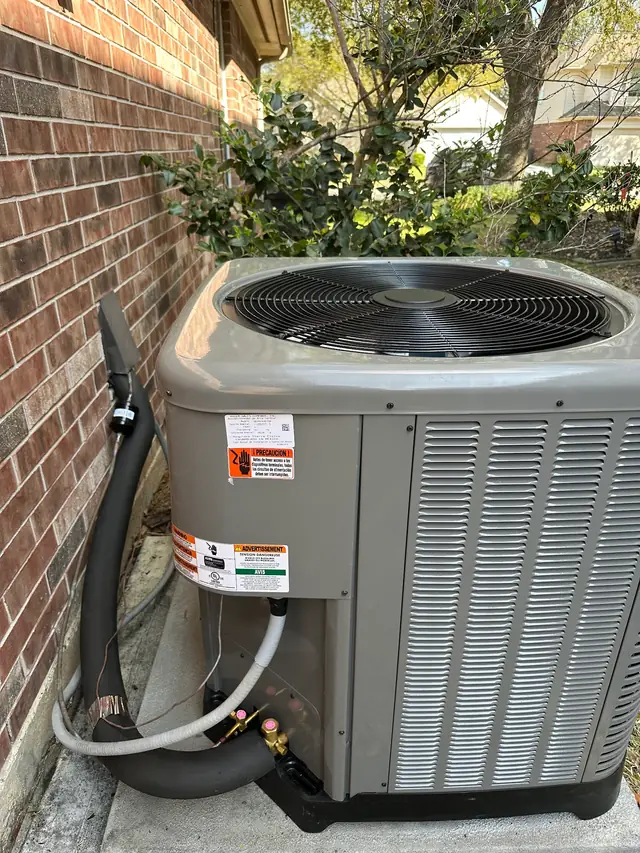
Your air conditioner does two jobs. It cools the air, and it dries it. The drying part produces water, and on a humid Houston-area day a running system produces quite a lot of it. That water has to go somewhere, and when it can't, it finds the lowest point it can reach. In a lot of homes, that point is the ceiling below the attic.
Air Oracle's advice on this is short and worth repeating: always make sure your AC equipment has an emergency float switch protection device to prevent water damage to ceilings. Here is why that sentence is on their list, and how the whole system works.
Where the water goes
Warm, humid air passes over the cold indoor coil, and moisture condenses on it like water on a cold glass. That water drips into a drain pan beneath the coil and flows out through the condensate drain line, a PVC pipe that carries it outside or to a household drain. Many homes in this area have the air handler in the attic, so the whole path runs above your living space.
Some installations also include a secondary drain or a second pan under the unit as a backup. Those help, but they are a backup for a problem, not a cure. The cure is a line that stays clear and a switch that stops the system when it does not.
What clogs a condensate line
The line is narrow, and the coil is a damp, dark place where things grow. A warm attic makes it worse. Over a cooling season the pipe can fill with a slimy film and debris until water backs up into the pan and spills over the edge.
- Algae and slime that grow in the damp line
- Dust and debris pulled through the system when filters are neglected
- Insects or other small debris that find their way into the line
- A sag or kink in the pipe where water pools instead of draining
- Loose or poorly glued joints that leak before water reaches the outlet
- A cracked drain pan that lets water bypass the line entirely
What the float switch actually does
An emergency float switch is a small device that sits in the drain pan or in the drain line. It works like the float in a toilet tank. When water rises past a set level, the float lifts and the switch opens a control circuit, which shuts the air conditioner off. With the system off, it stops making water, and the overflow stops growing.
That is all it does. It does not clear the clog. What it buys you is time and a smaller mess: instead of a unit that keeps running and keeps pouring water into the attic for days while you are at work or on vacation, you get a system that quits and announces the problem. A house that is warm and dry beats a house that is cool and wet.
Warning signs worth taking seriously
- The air conditioner stops cooling, and the thermostat seems fine
- The system will not restart after shutting off by itself
- A water stain, bubble or soft spot on a ceiling near the attic access or the air handler closet
- Water in or around the drain pan at the air handler
- Gurgling from the drain line, or no drip at the outdoor end of the line while the system runs
- A musty smell near the return vent or air handler
What a homeowner can check safely
Not much of this belongs in your hands, and the attic in July is no place to experiment. Attic air can be far hotter than the outdoors, and a ceiling joist is not a floor. A few simple checks are still worth doing from the ground.
- Replace the air filter on schedule, because a clogged filter sends debris toward the coil
- Look where the drain line ends outside and notice whether water drips while the system runs on a humid day
- Glance at the ceiling under the attic air handler from time to time for stains
- If the system shuts off and will not restart, set the thermostat to off and call for service rather than resetting it again and again
One more rule. Never bypass or jumper out a float switch to get the air back on. If the switch has tripped, it is telling you the pan is full, and overriding it is how a small leak becomes a ceiling replacement.
What to ask for on a new or existing system
If your system was installed without a float switch, it can usually be added. If you are replacing a system, ask that the installation include one, and ask where the drain line runs and how it will be cleared during maintenance. A clear drain line is part of a good tune-up, and we cover the rest of that visit in a separate article.
Air Oracle provides 24/7 on-call emergency availability for homeowners in Cypress, Katy, Tomball, Spring, Copperfield, Jersey Village and northwest Houston, and its air conditioning repair page explains how a diagnostic visit works. The office number is (888) 524-7247.
Air Oracle, (888) 524-7247
Call (888) 524-7247More articles
Why one size does not fit all when you replace your AC
The unit that cooled your house for fifteen years may have been the wrong size the whole time, and copying it repeats the mistake.
Single stage, two stage or variable speed: what you are choosing
The word stage describes how many gears your air conditioner has, and in this climate the gears affect more than your bill.